Standing at the edge of the Grand Canyon as the sun sets, painting the ancient rock layers in shades of amber and crimson, you realize that no photograph could have prepared you for this moment. America’s national parks hold these kinds of transformative experiences, yet most visitors stick to the same handful of destinations, missing extraordinary landscapes that rival anything you’ll find in the iconic parks plastered across postcards.
The United States protects over 400 national park sites, but less than a dozen receive the majority of visitors. While there’s nothing wrong with seeing Old Faithful or Half Dome, the crowds, parking nightmares, and reservation systems can make these trips feel more stressful than rejuvenating. The good news? Incredible alternatives exist that offer equally stunning scenery without the chaos. Whether you’re seeking dramatic coastlines, ancient forests, or desert solitude, finding the right national park for your preferences can transform a generic vacation into an adventure tailored to your interests.
Yellowstone National Park: Where Geothermal Wonders Meet Wildlife
Yellowstone earns its reputation as America’s first national park for good reason. This 2.2-million-acre wonderland spanning Wyoming, Montana, and Idaho contains more geothermal features than anywhere else on Earth. Over 10,000 hydrothermal sites bubble, steam, and erupt across the landscape, creating an otherworldly environment that feels more like another planet than a hiking destination.
The park’s most famous resident, Old Faithful, erupts roughly every 90 minutes, shooting boiling water up to 180 feet into the air. But venture beyond the crowded boardwalks near this iconic geyser, and you’ll discover the Grand Prismatic Spring, a rainbow-colored hot pool larger than a football field, or the Norris Geyser Basin, where acidic waters create alien-looking landscapes of white and yellow mineral deposits.
Wildlife watching in Yellowstone rivals African safaris in terms of biodiversity and drama. The Lamar Valley, often called “America’s Serengeti,” provides excellent opportunities to spot bison herds, grizzly bears, wolves, and elk. Spring brings newborn animals and active predators, while fall showcases the elk rut when massive bulls bugle challenges that echo across the valleys. If you’re planning a visit, consider how you’ll manage your time, and our guide on effective time-blocking strategies can help you maximize your park experience without feeling rushed.
Yosemite National Park: Granite Cathedrals and Waterfall Symphony
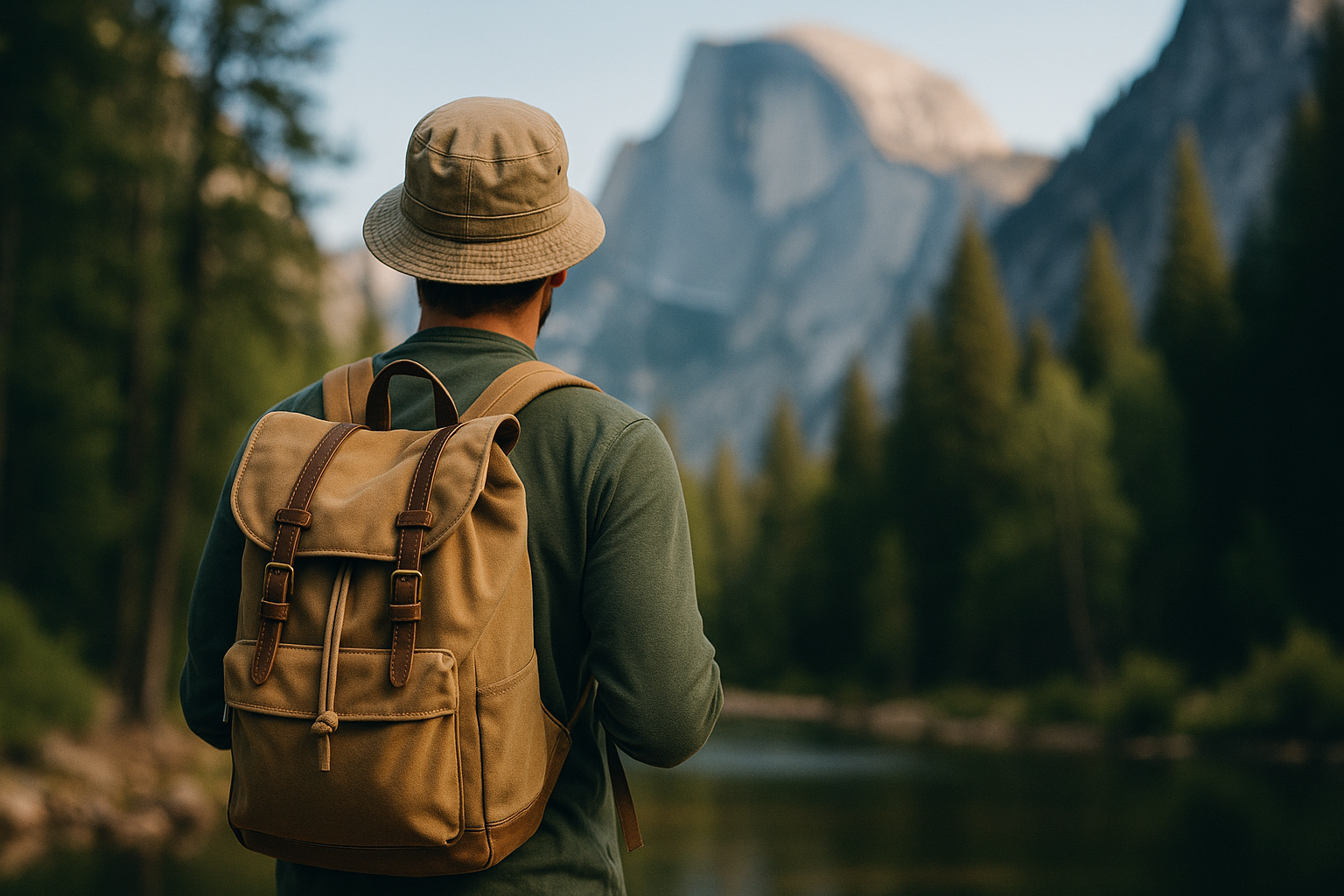
Yosemite Valley might be one of the most photographed landscapes in America, but experiencing it in person remains breathtaking despite the crowds. Sheer granite walls rise 3,000 feet from the valley floor, creating a cathedral-like space that has inspired artists, writers, and climbers for generations. El Capitan’s massive face draws rock climbers from around the world, while Half Dome’s distinctive shape has become an icon of American wilderness.
The park’s waterfall season, typically May through June, transforms Yosemite into a symphony of falling water. Yosemite Falls, North America’s tallest waterfall at 2,425 feet, thunders with snowmelt, creating mist that rises hundreds of feet and spawns rainbows on sunny afternoons. Vernal and Nevada Falls along the Mist Trail live up to their name, drenching hikers in refreshing spray as they climb stone steps alongside the cascades.
Beyond the valley, Yosemite’s high country offers solitude and alpine beauty. Tuolumne Meadows, accessible via the spectacular Tioga Road, provides subalpine wildflower meadows, pristine lakes, and granite domes without the valley’s congestion. The park’s 750 miles of trails range from easy valley loops to challenging backcountry routes that require advance planning and wilderness permits.
Zion National Park: Red Rock Sanctuary in the Desert
Zion’s towering sandstone cliffs create a vertical landscape where the rock seems to glow from within. The Virgin River has carved a narrow canyon through layers of Navajo sandstone, creating walls that rise up to 2,000 feet and narrow to just 20 feet wide in places. The contrast between the red rock, green cottonwoods, and brilliant blue sky creates color combinations that seem almost artificial in their intensity.
The Narrows hike takes you directly into the Virgin River, wading and sometimes swimming through slot canyons where the walls tower overhead and sunlight filters down in dramatic shafts. This isn’t a traditional trail – the river is the trail, and you’ll spend hours in water that ranges from ankle to chest-deep depending on the season. Spring runoff makes the hike dangerous, but late summer and fall provide ideal conditions for this unique adventure.
Angels Landing challenges hikers with exposure and heights that aren’t for everyone. The final half-mile follows a narrow ridge with 1,000-foot drops on both sides, supported by chains bolted into the rock. The reward? A 360-degree view of Zion Canyon that ranks among the most spectacular viewpoints in any national park. According to travel experts ranking America’s best parks, Zion consistently appears in the top five for its unique geology and accessible adventure opportunities.
Grand Canyon National Park: An Abyss of Geologic Time
No amount of description adequately prepares you for your first view of the Grand Canyon. The sheer scale – 277 miles long, up to 18 miles wide, and over a mile deep – defies human comprehension. Layers of rock representing nearly two billion years of Earth’s history create a visual textbook of geology, with each stratum telling stories of ancient seas, deserts, and mountains long since eroded away.
Most visitors experience the South Rim, which offers year-round access and well-developed viewpoints connected by the Rim Trail. Sunrise and sunset transform the canyon as light plays across the layers, creating shadows and highlights that reveal new details every few minutes. The less-visited North Rim, open only from mid-May through mid-October, sits 1,000 feet higher and receives a fraction of the South Rim’s crowds.
Hiking into the canyon provides perspective impossible to gain from the rim. The Bright Angel Trail and South Kaibah Trail descend through those visible rock layers, dropping you through different climatic zones as you lose elevation. The temperature can be 20 degrees warmer at the canyon floor than at the rim, transforming the environment from pine forest to Sonoran desert ecology. Rangers emphasize that hiking down is optional, but hiking up is mandatory – a crucial distinction that catches unprepared hikers every year.
Lesser-Known Viewpoints Worth Finding
Beyond the famous overlooks, the Grand Canyon hides spectacular viewpoints accessible to those willing to walk a bit farther. Shoshone Point requires a one-mile walk from a small parking area on the East Rim, delivering solitude and unobstructed canyon views rarely found elsewhere on the South Rim. Lipan Point on Desert View Drive offers perhaps the best sunrise view in the park, showcasing the Colorado River and the distinct tilt of the rock layers.
Acadia National Park: Where Mountains Meet the Atlantic
Acadia brings together mountains, forests, rocky coastline, and island charm into one compact park on Maine’s coast. Cadillac Mountain provides the distinction of being the first place to see sunrise in the United States for much of the year, and watching dawn break over the Atlantic from its 1,530-foot summit has become a pilgrimage for early risers willing to make the drive up before first light.
The park’s 45 miles of carriage roads, built by John D. Rockefeller Jr., create car-free corridors perfect for cycling and walking. These crushed-stone paths wind through forests and alongside lakes, crossing 17 hand-built stone bridges that blend seamlessly into the landscape. Fall foliage transforms these routes into tunnels of red, orange, and gold, making October one of the park’s most popular months despite cooler temperatures.
Coastal hiking along the Ocean Path reveals the meeting place of two powerful forces – the granite bedrock of North America and the relentless Atlantic Ocean. Thunder Hole, a natural rock formation, creates explosive sounds and spray when waves surge into its narrow opening during high tide. The rocky shores support tidepools filled with starfish, sea urchins, and anemones, creating natural aquariums accessible to anyone willing to crouch down and look carefully.
Olympic National Park: Three Ecosystems in One Park
Olympic National Park delivers extraordinary diversity within its boundaries, protecting temperate rainforests, alpine mountains, and wild Pacific coastline. This variety means you can hike through moss-draped forests in the morning, climb to wildflower meadows for lunch, and watch the sunset over sea stacks all in the same day. Few parks offer this kind of ecological range without extensive driving between ecosystems.
The Hoh Rainforest receives over 140 inches of rain annually, creating a primordial landscape where Sitka spruce and western hemlock grow to massive proportions, draped in mosses and ferns that give the forest a prehistoric atmosphere. Everything appears green – not just leaves, but bark, rocks, and fallen logs support gardens of moss, creating layers of life from the forest floor to the canopy 200 feet overhead.
Hurricane Ridge provides accessible alpine environments with wildflower meadows and mountain views. On clear days, the vista extends across the Strait of Juan de Fuca to British Columbia’s mountains. Black-tailed deer wander the meadows seemingly unconcerned by human presence, while Olympic marmots, found nowhere else on Earth, whistle warnings from rocky outcrops. For those looking to explore more hidden gems across the country, check out this collection of underrated destinations that rival the famous parks.
The Wild Pacific Coast
Olympic’s coastal strip protects some of the wildest shoreline in the lower 48 states. Second and Third Beaches near La Push offer accessible coastal hiking with sea stacks, tidepools, and the constant soundtrack of surf. More adventurous hikers tackle the 17-mile Ozette Triangle, a coastal route requiring tide tables and careful timing to navigate headlands that become impassable at high tide.
Planning Your National Park Adventure
National park visits require more planning than they did a decade ago. Popular parks now implement timed entry reservations, advanced camping reservations, and permit systems for popular trails. Checking each park’s website several months before your trip helps you understand what reservations you need and when they become available. Some permits, like those for Half Dome in Yosemite or the Wave in Arizona, require lottery systems months in advance.
Seasonal timing dramatically affects your experience. Summer brings warm weather and full access to high-elevation areas, but also maximum crowds and, in some cases, heat that makes desert parks uncomfortable. Spring and fall shoulder seasons offer better weather in desert parks and fewer crowds everywhere, though some high-elevation roads remain closed. Winter transforms many parks into serene, snowy landscapes with minimal visitors, but requires proper equipment and experience.
As comprehensive park guides emphasize, lodging options range from rustic campgrounds to historic lodges, with everything in between. Park lodges book up to a year in advance for peak season, while campsites often fill within minutes of their reservation window opening. Gateway towns outside park boundaries provide additional lodging options, though proximity to park entrances varies significantly. If you’re planning an extended road trip visiting multiple parks, our article on the best road trip routes for this year can help you connect destinations efficiently.
What to Pack Beyond the Basics
National park packing lists should account for rapidly changing weather and self-sufficiency requirements. Layers work better than single heavy jackets, allowing you to adjust as temperatures fluctuate with elevation and activity level. A quality water filtration system lets you carry less weight while staying hydrated on long hikes. Download offline maps to your phone since cell service is unreliable or nonexistent in most parks, and carry physical maps as backup.
The national parks represent America’s commitment to preserving extraordinary landscapes for future generations. Whether you’re watching dawn break over the Grand Canyon, standing beneath Yosemite’s waterfalls, or breathing in the scent of Olympic’s rainforests, these protected spaces offer opportunities to disconnect from daily life and reconnect with natural rhythms that have shaped these landscapes for millennia. Each park tells different stories through its rocks, plants, and wildlife, inviting you to slow down, observe carefully, and leave inspired by the diversity and resilience of the natural world.

Leave a Reply