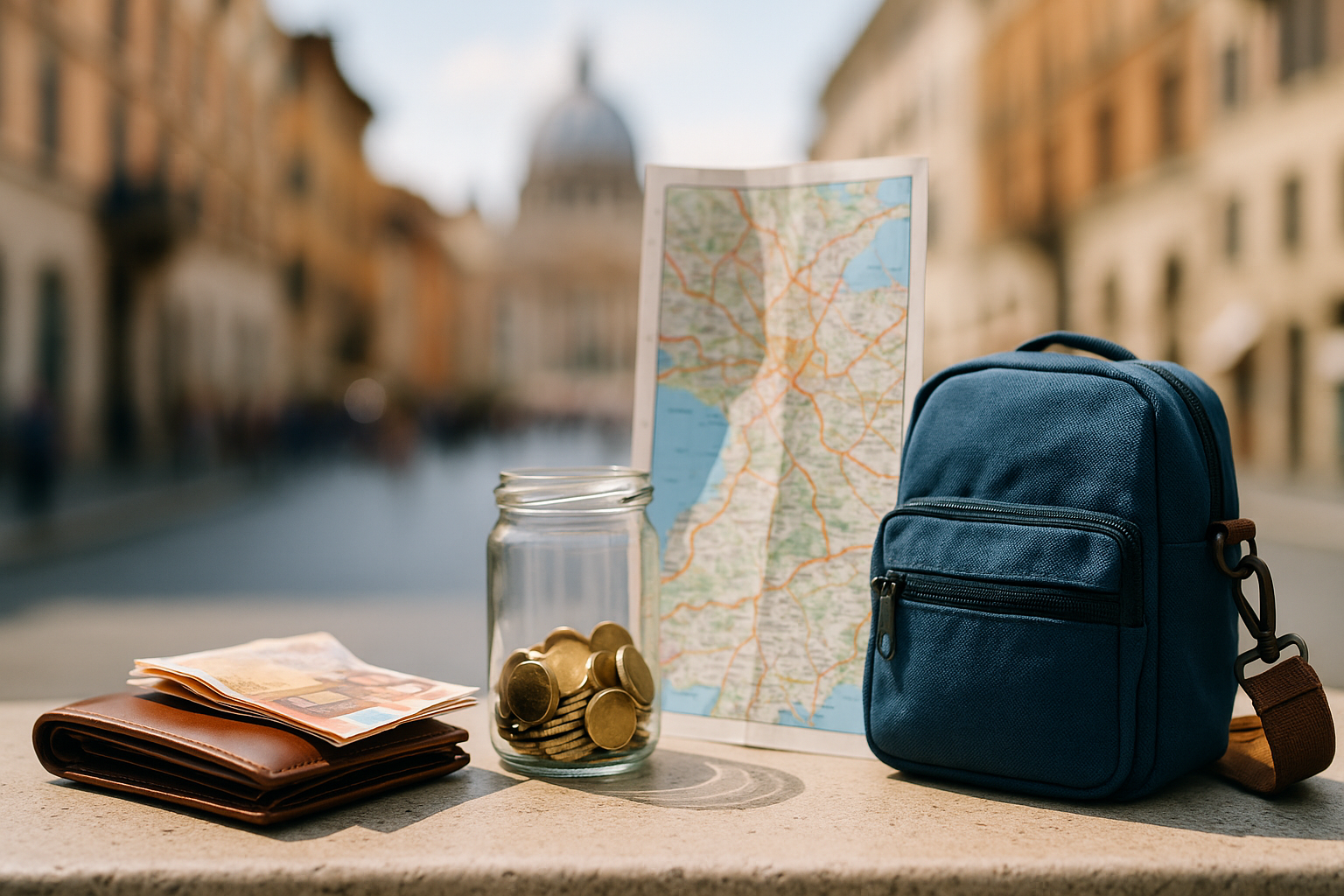
Budget travel isn’t about settling for less – it’s about getting smarter with your money so you can experience more. The difference between travelers who see the world on a shoestring and those who drain their savings on a single trip often comes down to strategy, not sacrifice. In 2025, with the right approach and tools, you can stretch every dollar further without compromising the quality of your adventures.
Whether you’re planning your first international trip or looking to make travel a regular part of your life, understanding how to navigate the modern travel landscape efficiently can transform what’s possible. The secrets aren’t complicated, but they do require shifting how you think about planning, booking, and experiencing destinations.
The Foundation: Smart Planning Saves More Than Booking Hacks
Most budget travel advice jumps straight to finding cheap flights, but the real money-saving decisions happen weeks or months before you ever search for tickets. Your choice of destination and timing matters more than any discount code or rewards program.
Consider this: a week in Southeast Asia, Eastern Europe, or Central America can cost less than a long weekend in London or New York. The accommodations are cheaper, meals cost a fraction of what you’d pay in expensive cities, and your daily activities – from guided tours to museum entries – run significantly lower. Travel experts recommend choosing destinations where your home currency has strong purchasing power.
Timing flexibility is your second major advantage. Flying on Tuesdays or Wednesdays instead of weekends, visiting during shoulder season instead of peak summer, or booking that beach destination during their “rainy season” (which often means brief afternoon showers, not all-day downpours) can cut costs by 30-50% across the board. Many incredible destinations have “secret seasons” when weather remains excellent but crowds and prices drop dramatically.
The planning phase is also when you should honestly assess what kind of traveler you are. If you love structure and have limited time, a well-researched itinerary prevents expensive last-minute decisions. If you prefer spontaneity, building in flexibility with refundable bookings or loose plans can help you capitalize on deals you discover along the way. Our guide on effective time-blocking strategies can help you organize your research and planning process efficiently.
Accommodation Strategies That Actually Work
Hotels aren’t your only option anymore, and often they’re not even the best value. The accommodation landscape has exploded with alternatives that offer unique experiences while keeping costs down.
Vacation rentals through platforms like Airbnb or Vrbo make sense for groups or longer stays. When you split a two-bedroom apartment between four people, you’re often paying less per person than a hostel dorm bed, plus you get a kitchen to prepare some meals. Speaking of kitchens, having one available doesn’t mean you need to cook every meal – even just making breakfast and occasionally grabbing groceries for simple lunches can save $20-30 daily.
Hostels have evolved far beyond the grimy backpacker crashes of decades past. Modern hostels offer private rooms with ensuite bathrooms, quality common spaces, and included perks like breakfast, walking tours, or social events. Many cater to digital nomads and older travelers, creating community-focused environments without the party atmosphere. The key is reading recent reviews and choosing hostels that match your travel style.
House-sitting and home exchanges represent the ultimate budget hack if you’re willing to invest time in building trust and profiles on exchange platforms. Experienced house-sitters live rent-free worldwide in exchange for caring for homes and pets. Home exchanges let you swap houses with someone in your dream destination, eliminating accommodation costs entirely for both parties.
Location matters tremendously for accommodation value. Staying 15 minutes outside the tourist center by public transit can cut accommodation costs in half while giving you a more authentic neighborhood experience. Research the transit system before booking – if a $40 weekly metro pass connects you seamlessly to everything you want to see, that “inconvenient” location becomes a strategic choice.
Transportation: Getting There and Getting Around
Flight costs often represent the biggest single expense in any trip budget, making this area crucial for savings. The standard advice about clearing cookies and using incognito mode is mostly myth, but several legitimate strategies consistently deliver results.
According to financial experts analyzing 2025 travel trends, booking international flights approximately 2-3 months in advance typically yields the best prices, while domestic flights should be booked 1-2 months out. Too early and you pay premium prices for the convenience; too late and you’re competing for remaining seats.
Flight comparison tools like Google Flights, Skyscanner, or Kayak help identify the cheapest days to fly and sometimes suggest alternative nearby airports. Flying into Oakland instead of San Francisco, or Bergamo instead of Milan, can save hundreds while adding minimal transit time. Budget airlines get a bad reputation, but for short flights where you don’t need checked bags or meals, carriers like RyanAir, EasyJet, or Southwest deliver perfectly adequate service at unbeatable prices.
Once you arrive, local transportation choices significantly impact your budget. In most cities, buying a multi-day transit pass costs less than a single taxi ride. Many destinations offer tourist cards that bundle unlimited public transport with museum entries and discounts – do the math to see if your planned activities justify the upfront cost.
Walking whenever possible isn’t just free – it’s often the best way to stumble upon hidden gems, local markets, and authentic neighborhoods. Download offline maps before your trip so you can navigate without burning through international data. For longer distances, rideshare apps like Uber or Bolt typically cost less than traditional taxis and eliminate confusion about fair pricing.
Eating Well Without Breaking the Bank
Food represents both an essential expense and a crucial part of experiencing local culture. The goal isn’t to survive on instant noodles – it’s to eat authentically and well while avoiding tourist trap pricing.
The general rule: if a restaurant has menus in five languages and photos of every dish, you’re paying tourist prices. Walk two blocks away from major attractions and prices often drop 40% for identical or better food. Ask locals, hotel staff, or Airbnb hosts where they actually eat. These recommendations lead to authentic experiences at fair prices.
Markets and food halls offer incredible value and variety. Morning markets in Asia, afternoon mercados in Latin America, or European food halls present opportunities to sample local specialties, fresh produce, and prepared foods at prices locals pay. Even if you don’t have kitchen access, items like fresh bread, cheese, fruit, and prepared salads make perfect picnic lunches in parks or by scenic viewpoints.
The one-fancy-meal strategy works well for experiencing high-end cuisine affordably. Many upscale restaurants offer lunch menus at half their dinner prices, featuring similar quality with smaller portions. In some destinations, early-bird dinner specials or prix-fixe menus provide multi-course experiences for reasonable fixed prices. Splurging once on an exceptional meal feels more memorable than multiple mediocre tourist dinners.
Street food deserves its reputation as budget travel’s best friend, but choose vendors wisely. Look for stalls with lines of local customers, high turnover ensuring freshness, and visible food preparation. The food is usually cooked to order, costs a fraction of restaurant prices, and represents authentic local cuisine. Just like our article on creating budget-friendly meals that feel special, street vendors prove that limited spending doesn’t mean limited quality.
Free and Low-Cost Experiences That Don’t Feel Cheap
The best travel memories rarely come from expensive tourist attractions. Some of the most meaningful experiences cost nothing or very little if you know where to look.
Free walking tours operate in nearly every major city worldwide using a tip-based model. Knowledgeable local guides provide 2-3 hour introductions to neighborhoods, history, and culture, and you pay what you feel the tour was worth at the end. These tours accomplish multiple goals – orientation to a new city, historical context, insider tips from locals, and social connection with other travelers.
Many world-class museums offer free admission on specific days or during certain hours. The Louvre, British Museum, Smithsonian museums, and countless others have free-entry options if you plan around their schedules. Even museums with admission fees often cost a fraction of tourist attractions like theme parks while offering substantially more educational value.
Nature and outdoor activities provide incredible experiences without entrance fees in many locations. Hiking trails, beaches, public parks, viewpoints, and natural wonders offer all-day entertainment for free. City parks often host free concerts, festivals, outdoor movies, or cultural events, especially during summer months. Check local event calendars and tourism websites for happening during your visit.
Self-guided exploration with a good guidebook or well-researched online itinerary costs nothing but delivers rich experiences. Architecture walks through historic districts, neighborhood food tours you create yourself, sunset watching from scenic overlooks, or people-watching at famous squares don’t require paying a tour company. For inspiration on discovering unique destinations, check out recommendations for exploring hidden gems that offer authentic experiences away from crowds.
Technology and Tools for Modern Budget Travelers
Your smartphone is your most valuable travel tool when loaded with the right apps and used strategically. Certain technologies have revolutionized budget travel in ways that weren’t possible even five years ago.
Price tracking tools and alert systems eliminate the need for constant manual searching. Set up alerts on Google Flights or Hopper for your desired routes, and receive notifications when prices drop. Similarly, accommodation platforms let you save favorite properties and send alerts about price changes or special offers. Travel budget experts emphasize that patience combined with price alerts often yields savings of 20-40% compared to booking immediately.
Currency exchange apps show real-time rates so you know whether you’re getting fair value when exchanging money. Many travelers now use travel-friendly credit cards or debit cards with no foreign transaction fees, avoiding expensive airport exchange counters entirely. Apps like Wise or Revolut offer near-perfect exchange rates and low fees for international transactions.
Translation apps have eliminated language barriers as an obstacle to budget travel. Google Translate’s camera feature lets you point your phone at menus, signs, or transportation schedules for instant translation. This empowers you to venture beyond English-speaking tourist zones where everything costs more, accessing authentic local experiences confidently.
Local deal apps and platforms in your destination can unlock insider prices. Apps like TheFork for restaurant reservations in Europe, Eatigo in Asia, or Groupon in various cities offer legitimate discounts on activities, dining, and entertainment that locals actually use. Download these upon arrival and browse for opportunities matching your interests.
Productivity tools help you stay organized during trip planning without feeling overwhelmed. Using apps that genuinely improve efficiency can streamline research, booking, and itinerary management, ensuring you don’t miss great deals due to poor organization.
The Money Mindset: Spending Strategically, Not Minimally
Budget travel doesn’t mean being cheap about everything – it means being intentional about where your money creates the most value. The goal is experiences per dollar, not simply minimizing dollars spent.
Identify what matters most for your travel style, then allocate your budget accordingly. If you’re passionate about food, splurge on culinary experiences while economizing on accommodation by choosing budget options. If you’re an adventure junkie, invest in that guided climbing trip or scuba certification while eating simply. This strategic approach creates richer experiences than spreading limited funds evenly across all categories.
Building a realistic daily budget before departure prevents the anxiety of constantly wondering if you’re overspending. Research typical costs in your destination for accommodation, meals, local transport, and activities. Add 20% buffer for unexpected expenses or spontaneous opportunities. Tracking spending loosely during your trip helps you adjust if needed without obsessing over every dollar.
The concept of “earned indulgences” makes occasional splurges more enjoyable. If you saved $200 by choosing a budget flight with a connection instead of a direct flight, mentally allocate some of those savings toward an experience you’ll remember forever. This mindset shift from pure deprivation to strategic choices makes budget travel sustainable and enjoyable long-term.
Remember that the cheapest option isn’t always the best value. A slightly more expensive hostel in a central location might save more in daily transportation costs than a cheaper one requiring hour-long commutes. A guided tour might seem expensive compared to going solo, but if it provides access, knowledge, and safety you couldn’t replicate independently, it delivers value beyond its price tag.
Budget travel in 2025 offers more opportunities than ever before thanks to technology, global connectivity, and the sharing economy. The strategies that work best combine old-school principles like traveling during shoulder season and staying in less touristy neighborhoods with modern tools like price alerts, local deal apps, and peer-to-peer accommodation platforms. Start with one trip using these approaches, learn what works for your travel style, and refine your system for future adventures. The world is more accessible than you think when you know how to navigate it smartly.

Leave a Reply