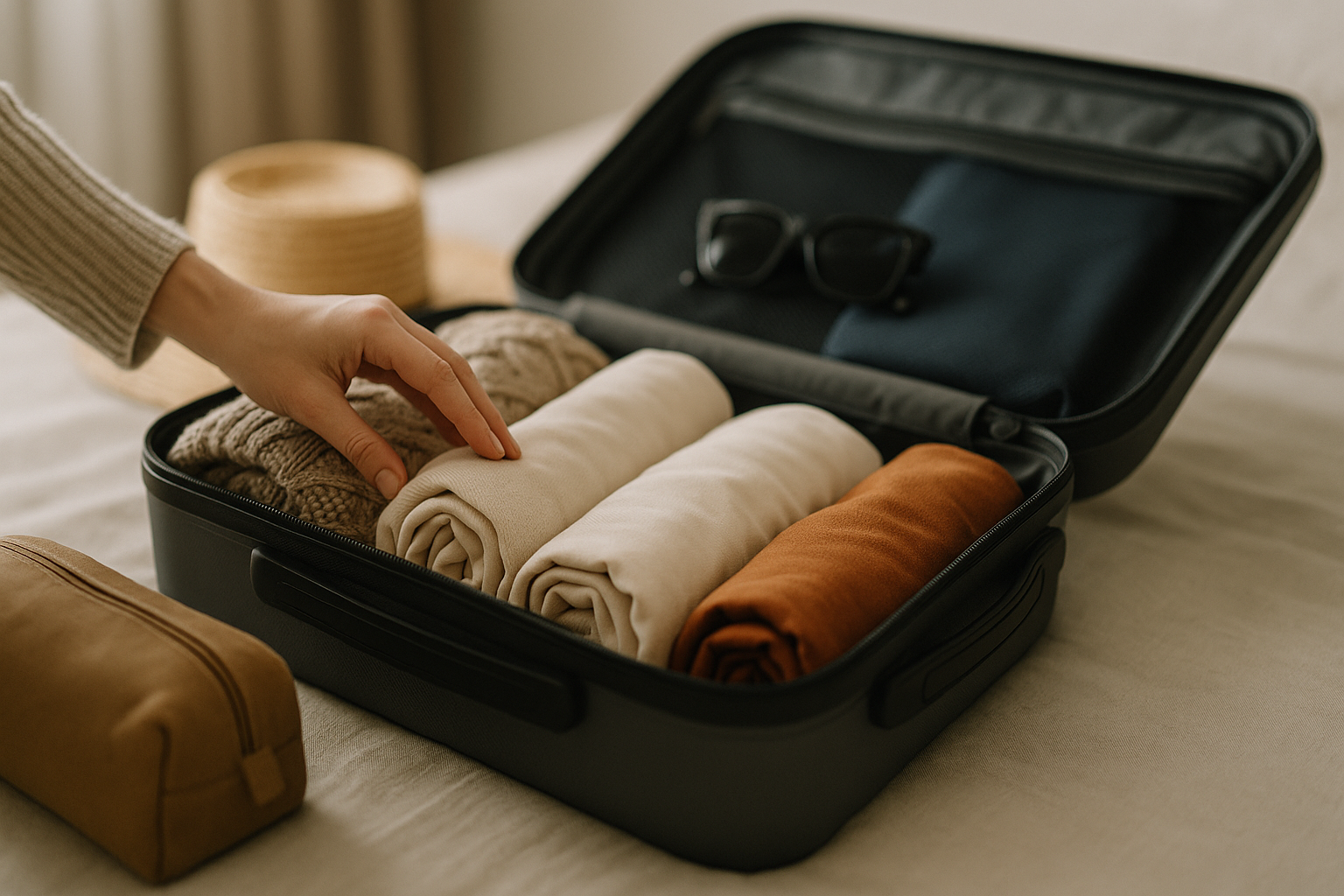
You finally scored that perfect carry-on bag, downloaded your packing list app, and laid out everything you need for your trip. Then reality hits – there’s no way all of this is fitting in that suitcase. You start the familiar shuffle: sitting on the luggage, rearranging items for the third time, and ultimately accepting that you’ll need to check a bag (and pay that fee). But here’s what frequent travelers know: the problem isn’t usually how much you’re packing. It’s how you’re packing it.
Smart packing isn’t about bringing less or wearing the same outfit for a week. It’s about using proven techniques that maximize every inch of luggage space while keeping your belongings organized and wrinkle-free. These strategies work whether you’re heading out for a long weekend or a month-long adventure, and they’ll transform how you approach travel preparation.
The Rolling vs. Folding Debate (Settled)
Walk into any hostel common area and you’ll witness passionate debates about the superior packing method. Team Rolling swears their technique saves space. Team Folding insists their way prevents wrinkles. The truth? Both camps are partially right, and the best packers use a hybrid approach based on garment type.
Rolling works exceptionally well for casual clothing made from knit fabrics – t-shirts, athletic wear, jeans, and pajamas. These items resist wrinkles naturally, and rolling them creates compact cylinders that fit into luggage gaps efficiently. The technique also makes it easier to see every item at a glance when you open your bag, eliminating the need to unpack everything to find one shirt.
Folding remains the better choice for structured clothing and anything wrinkle-prone. Button-down shirts, blazers, slacks, and dresses maintain their shape better when folded properly. The key is using the “flat fold” method: lay the garment face-down, fold the sleeves inward, then fold the bottom third up and the top third down. Place these folded items on top of your rolled clothes to minimize creasing. According to packing experts who study space efficiency, this combination approach can increase usable luggage space by up to 30% compared to using just one method.
Bundle Wrapping: The Professional’s Secret
Flight attendants and frequent business travelers swear by bundle wrapping, a technique that sounds complicated but becomes second nature after one practice session. This method involves wrapping clothing around a central core object, creating a single bundle that minimizes wrinkles and maximizes space utilization.
Start with a core item – a toiletry bag, packing cube, or even a rolled-up belt works perfectly. Lay your largest, most wrinkle-prone item flat (typically a dress or blazer). Place the next largest item perpendicular on top, alternating direction with each layer. Put your core object in the center, then wrap each piece of clothing around it, working from the outside layers inward.
The bundle technique prevents the creases that form at fold lines in traditional packing because garments curve around the core rather than bending at sharp angles. It also creates a solid, space-efficient package that fits snugly in your luggage without shifting during transit. For those managing their travel alongside busy schedules, our guide on time-blocking strategies can help you plan efficient packing sessions.
Strategic Compression Without Compression Bags
Compression bags seem like packing miracles – until you open one mid-trip and can’t get everything back inside because you don’t have a vacuum handy. Smart packers achieve similar space savings using manual compression techniques that work anywhere.
The roll-and-press method involves rolling garments tightly, then pressing down firmly as you place them in your luggage. The pressure from surrounding items maintains compression without needing special bags. Pack these rolled items vertically rather than horizontally, standing them up like files in a filing cabinet. This arrangement lets you remove one item without disturbing others and naturally compresses everything through vertical pressure.
For bulky items like sweaters or jackets, use the air-release technique. As detailed in space-saving methods tested by travelers, fold the item, then slowly roll it while pushing air out from the center toward the edges. The result is a much flatter, denser roll that occupies significantly less space than a quick fold.
Your shoes also offer hidden compression opportunities. Stuff socks, underwear, chargers, or other small items inside each shoe. This fills dead space while helping shoes maintain their shape during travel. Place shoes in shower caps or plastic bags (hotel shower caps work perfectly) to keep them separate from clean clothing.
The Capsule Wardrobe Formula
The real space-saving magic happens before you start packing – during outfit planning. A capsule travel wardrobe means bringing fewer items that create more outfit combinations through strategic color coordination and versatile pieces.
Start with a color palette of two neutral colors (black, navy, gray, or tan) plus one accent color. Every item should work with at least two other pieces in your luggage. This formula typically breaks down to: three bottoms, five tops, one dress or additional outfit option, two pairs of shoes, and one outer layer. These 12-15 items can create 20+ different outfits through various combinations.
Choose fabrics strategically. Merino wool regulates temperature, resists odors, and can be worn multiple times between washes. Quick-dry synthetic blends work well for active travel. Both pack smaller than cotton and recover from compression better. Reserve cotton for one or two comfort items like pajamas or a favorite t-shirt.
The layering principle extends your wardrobe’s versatility without adding bulk. A lightweight cardigan, scarf, or jacket transforms an outfit’s look and function without consuming significant luggage space. These items also give you temperature control options when you encounter varying climates or overly air-conditioned spaces.
Accessorizing Smart
Accessories multiply outfit options while taking minimal space. A statement necklace, colorful scarf, or distinctive belt can make the same basic outfit look completely different. Pack these items in the gaps between larger items or inside shoes. Jewelry travels safely inside a pill organizer – each compartment holds earrings, rings, or small pendants securely.
Dead Space Is Wasted Space
Even expertly packed suitcases contain hidden pockets of unused space. Eliminating these gaps is what separates good packers from great ones. As noted in expert recommendations for carry-on packing, strategic space utilization can mean the difference between checking a bag and traveling carry-on only.
Shoes represent some of the biggest space-wasters in luggage. Beyond stuffing items inside them, pack shoes heel-to-toe along the bottom or sides of your suitcase. The uneven shapes nest together more efficiently than when placed side by side in the same direction. Flexible flats can be folded in half and tucked into corners.
Your luggage’s structured frame creates corners and edges that many packers ignore. These spots are perfect for rolling up belts, charging cables (coiled and secured with binder clips), or thin items like tank tops. The gap along the telescoping handle shaft holds narrow items like ties, headbands, or rolled scarves.
Packing cubes serve double duty as both organizers and space maximizers. They compress clothing through gentle pressure and create uniform rectangles that stack efficiently. More importantly, they force you to group similar items, which prevents overpacking because you can physically see how many shirts or pants you’ve allocated.
Toiletries: The Space-Eating Culprit
Full-size toiletries occupy disproportionate luggage space and add significant weight. The solution isn’t buying those tiny travel bottles that empty after two uses. Instead, invest in quality 3-ounce leak-proof containers and decant your preferred products. Two weeks’ worth of shampoo, conditioner, and body wash easily fits in properly sized containers.
Solid alternatives eliminate liquid restrictions and save even more space. Shampoo bars, solid moisturizers, and toothpaste tablets pack flat, won’t leak, and last surprisingly long. A single shampoo bar equals roughly three bottles of liquid shampoo but occupies one-tenth the space. These products also simplify security screening if you’re traveling with carry-on only.
Multipurpose products reduce bottle count significantly. A tinted moisturizer with SPF replaces foundation, sunscreen, and day cream. Coconut oil works as moisturizer, hair treatment, makeup remover, and shaving cream. Dr. Bronner’s castile soap handles body wash, shampoo, hand washing clothes, and even dishwashing in a pinch.
Create a toiletry kit that lives in a clear, TSA-approved bag year-round. After each trip, refill and restock it immediately. This system, similar to productivity strategies in our article about overcoming procrastination, ensures you’re always ready to pack efficiently and eliminates the last-minute scramble to gather travel-size items.
Technology and Cables: Organizing the Chaos
Electronic devices and their accessories create packing chaos quickly. Tangled cables, multiple chargers, and various adapters consume space and create frustration when you’re trying to find the right cord in a dark hotel room.
Consolidate charging equipment first. A multi-port USB charging hub with one power cable replaces individual chargers for your phone, tablet, smartwatch, and other devices. Look for compact models designed specifically for travel. Add a universal power adapter that works in multiple countries if you travel internationally.
Cable organization makes or breaks efficient tech packing. Use binder clips, velcro ties, or dedicated cable organizers to prevent tangling. The toilet paper roll method works brilliantly – slide coiled cables inside empty rolls to keep them separated and protected. A glasses case or small zippered pouch keeps all cables and adapters together in one retrievable location.
Download entertainment before departing rather than packing physical books or magazines. A loaded e-reader or tablet provides unlimited reading material without weight or bulk. Offline maps, translation apps, and travel guides downloaded to your phone eliminate the need for bulky guidebooks.
The Pre-Trip Test Run
The night before departure isn’t the time to discover your packing strategy failed. Do a complete pack-up three days before leaving. This practice run reveals what fits, what doesn’t, and what you’ve forgotten. It also gives you time to adjust your strategy, do laundry if needed, or acquire any missing items.
Weigh your packed luggage on a bathroom scale. Airlines enforce weight limits strictly, and repacking at the airport check-in counter is a special kind of travel stress. If you’re over the limit, this advance notice lets you shift items to your personal bag, wear heavier items during travel, or make thoughtful decisions about what to leave behind.
Create a digital packing list on your phone that you refine after each trip. Note what you actually used, what stayed untouched, and what you wished you’d brought. This living document becomes your personalized packing template, preventing both overpacking and forgotten essentials. Share this preparation mindset with travel companions by pointing them to resources like proven packing strategies from experienced travelers.
Making It Sustainable
Smart packing isn’t just about fitting more stuff into less space. It’s about developing a system that works trip after trip, reducing stress and increasing your travel enjoyment. The techniques that save space also tend to keep clothing in better condition, make security screening faster, and help you stay organized throughout your journey.
Start implementing these strategies one or two at a time rather than overhauling your entire packing approach at once. Try bundle wrapping on your next weekend trip. Experiment with a capsule wardrobe for a work conference. Test different rolling techniques to see which feels most natural. Over time, these methods become automatic, and you’ll find yourself packing efficiently without conscious effort.
The real measure of successful packing isn’t how little you bring or how tightly you squeeze items into your luggage. It’s arriving at your destination with everything you need, nothing you don’t, and all of it organized enough that you can actually find and use it. That’s the kind of smart packing that transforms travel from a logistical challenge into the adventure it should be.

Leave a Reply